VHF Radios and AIS Explained: What Every Florida Boater Should Know

Communication keeps the world moving. And on the water, it can make or break your day. Need help? Call the Coast Guard. Want to check in with that sailboat about where the fish are biting? A quick radio call has you covered.
In Florida’s busy waters, VHF radios and AIS aren’t just helpful, they’re essential. These systems keep you connected, visible, and prepared for whatever the day brings. The challenge is figuring out which setup makes sense for your boat and understanding what each system really does.
Let’s walk through the essentials so you can feel confident that your VHF radio and AIS will have your back the next time you head out.
VHF Radios: The Foundation of Safe Communication
Fixed-Mount vs. Handheld VHF Radios
A VHF radio is a two-way communication system that connects you to the Coast Guard, other vessels, and marinas. The first decision is whether you need a fixed-mount or a handheld unit.
- Fixed-mount VHFs tie into your boat’s power supply, giving you stronger range and a clearer signal. They are the go-to for offshore runs or long-distance cruising.
- Handheld VHFs are portable and compact. They are great for small boats or as a backup if your main system ever fails.
Most Florida boaters carry both, using the fixed unit as their primary and keeping a handheld as insurance. The key is knowing what you already have, spotting the gaps, and picking what fills them best.
Key Features to Look For
Not all VHFs are built alike. Here are a few features that make a big difference:
- DSC (Digital Selective Calling): Sends an automatic distress call with your GPS position to the Coast Guard.
- Waterproofing: Crucial in Florida’s salt air and humidity.
- GPS Integration: Built-in GPS can share your exact location in an emergency.
- Clear Audio: Makes sure you are heard even in busy channels.
Each feature adds another layer of safety and convenience. The real question is which ones matter most for the way you boat.
Recommended VHF Radios for Florida Boaters
Best Value
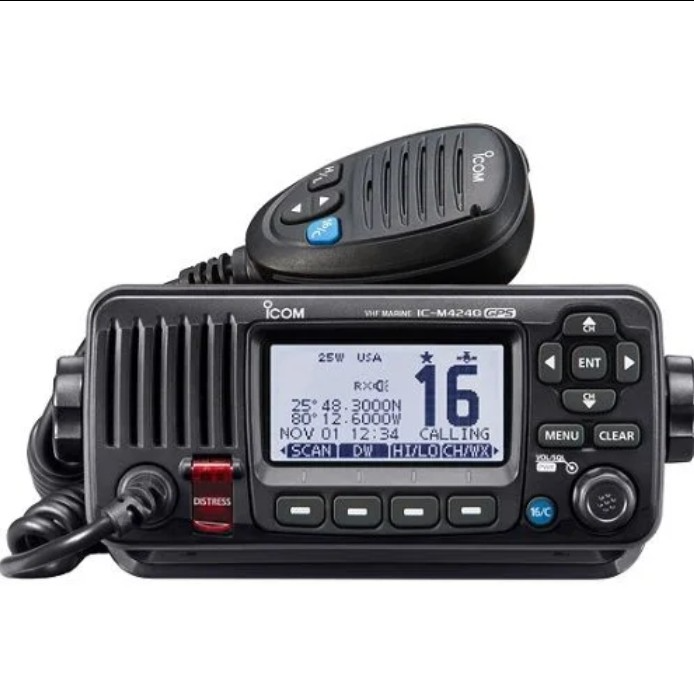
Fixed-Mount: Icom M424G Black VHF Radio Class D DSC with GPS
If you want dependable performance without overspending, this model is a strong pick. With 25W output, built-in GPS, Class D DSC, and an IPX7 waterproof rating, it covers the essentials while holding up in Florida’s salt and humidity.
Handheld: Standard HX210 6-Watt Floating VHF
Compact, reliable, and built to float, this handheld is perfect for inshore fishing or as a backup unit. Its 6-watt output provides solid range in bays and nearshore waters, and it is simple to operate when all you need is clear communication.
Best Quality
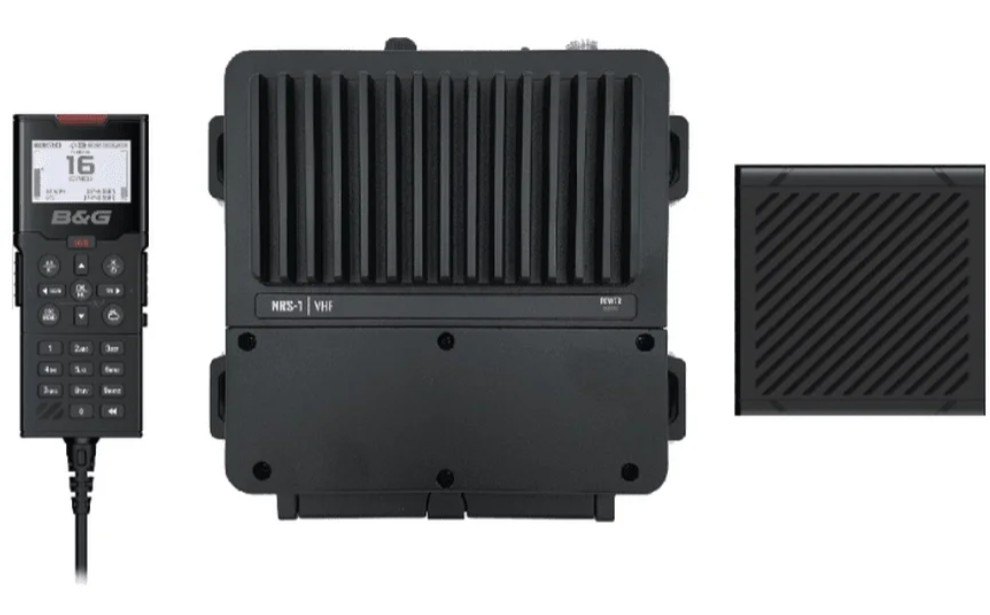
Fixed-Mount: B&G V100 VHF System
For boaters who want serious performance, this one delivers. It combines excellent audio clarity with a rugged build and the option to expand with extra handsets, making it perfect for bigger boats or heavy use offshore.
Handheld: Icom M85UL Handheld VHF Intrinsically Safe
Built for harsh conditions, this handheld stands out for its durability and reliability. With a strong signal and weather-resistant design, it is trusted by boaters who spend long hours in tough environments.
AIS: Making You Visible on Busy Waters
How AIS Works
AIS, or Automatic Identification System, broadcasts your boat’s position, speed, and course while showing you the same data from nearby vessels. On your chartplotter or multifunction display, that means you can see and be seen by the boats around you.
This is especially useful in high-traffic areas like Miami, Fort Lauderdale, or Tampa Bay. When channels get crowded, AIS helps cut down the guesswork and the close calls.
Common AIS Myths
A lot of people think AIS is just for big commercial ships, but that is not the case. It’s just as valuable for:
- Fishing boats heading offshore.
- Sailboats crossing from Palm Beach to the Bahamas.
- Weekend cruisers running crowded channels.
Being visible on AIS is not overkill, it is smart safety.
Recommended AIS Units
Best Value
Digital Yacht AIS100 Receiver
A simple, affordable way to start with AIS. It receives AIS signals so you can see other boats around you, and it works with popular chartplotters from Garmin, Raymarine, Simrad, and more. Perfect for bay fishing or day cruising when you do not need to transmit your own signal.
Digital Yacht AIS100 Receiver
Best Quality
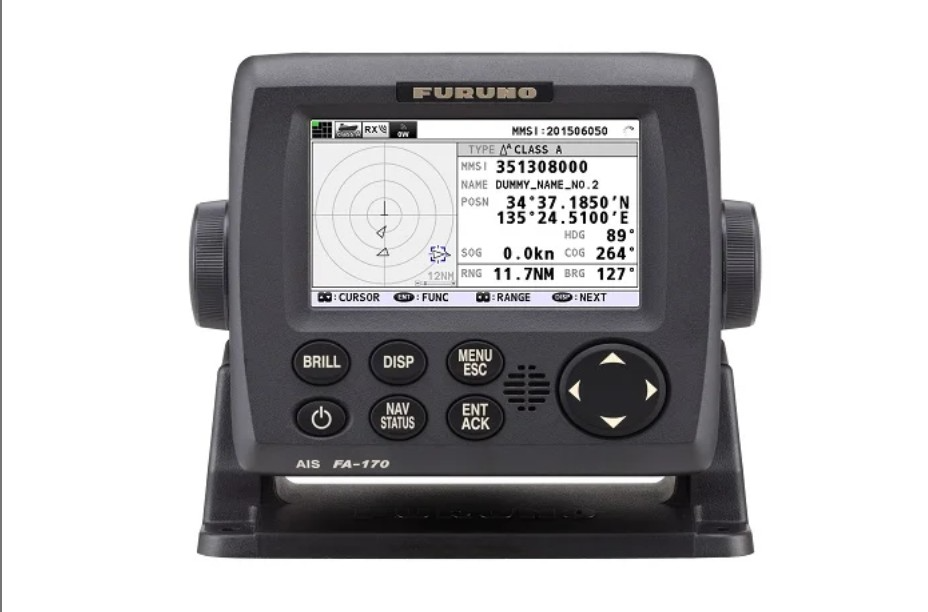
Furuno FA170 AIS System Class A IMO Approved
This Class A unit is built to the highest standards, offering stronger transmit power and rock-solid reliability. It is ideal for serious offshore runs, busy shipping lanes, or larger vessels where top-tier safety and compliance matter most.
Furuno FA170 AIS System Class A IMO Approved
Why Florida Boaters Should Pair VHF and AIS
On their own, VHF and AIS are powerful. Together, they close the gaps. A VHF radio gives you a voice, and AIS makes sure you are seen. In Florida’s crowded waterways, pairing the two means safer boating for you and for everyone else out there.
Caring for Your VHF and AIS Equipment
Salt, sun, and humidity can take a toll fast. A little care keeps your gear ready when you need it most:
- Rinse after every trip with fresh water.
- Check connections regularly for corrosion or loose fittings.
- Protect with covers to block UV and salt spray.
- Use dielectric grease on plugs to seal out moisture.
- Recharge handhelds after every outing, and do not store them in direct sun.
Spending a few minutes on maintenance now means your equipment will not let you down later.
Where to Find the Right VHF and AIS Units
The good news is you are already in the right place. Here at Deep Sea Marine Electronics LLC, you will find handheld and fixed-mount VHFs, AIS systems, and the accessories that keep them going strong. Having everything in one place makes it easier to compare features and brands so you can choose the setup that fits how you actually boat in Florida. Check out all our marine equipment here.